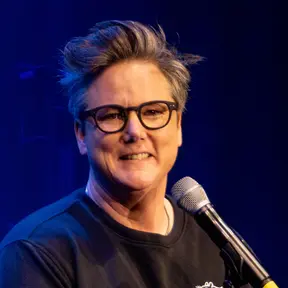
Hannah Gadsby
A dry, deliberate dissection of how jokes function and who they hurt.
4 specials · 2018–2024
Start with Nanette, the breakout (2018 · 69 min · Netflix)
Get an email when there's a new special. You'll need a Google account.
Hannah Gadsby paces the stage with the rigid posture of a reluctant academic. Their act often feels like a lecture that keeps swerving into sudden exasperation. They will map out exactly how a joke works, explaining the mechanics of tension and release, and then explicitly refuse to offer the release. The delivery is flat and deliberate. They let the room get unbearably quiet, adjusting their glasses, letting the audience sit in their own discomfort before breaking it with a sharp, dry observation about a famous painting or a childhood pet.
Specials
-
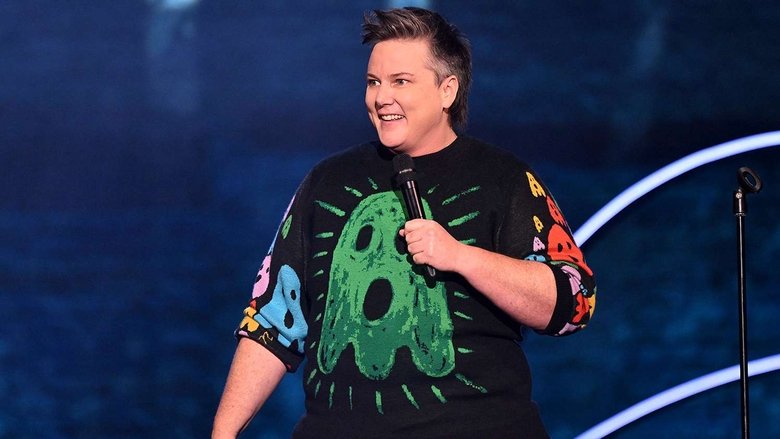
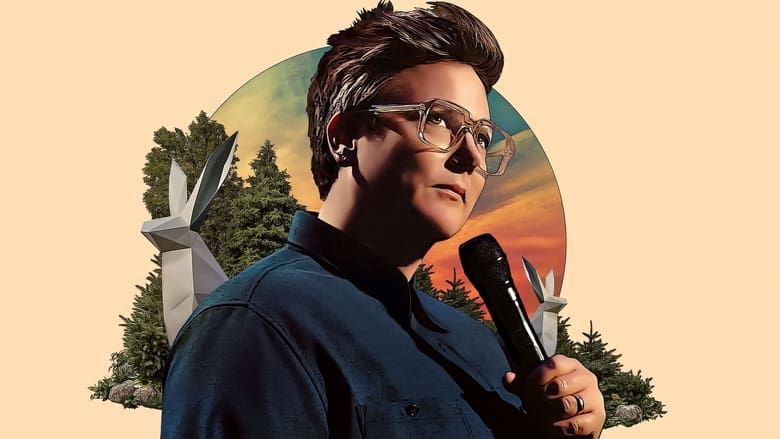
Hannah Gadsby's Gender Agenda with Jes Tom, Alok & 5 more
Hannah Gadsby hosts a showcase of seven standout genderqueer comedians.
Netflix · 75 min

On stage
Gadsby turned the standup special into a referendum on trauma and the ethics of self-deprecation with 2018’s Nanette. That hour made them a subject of endless debate. Playing large theaters, they occupy a strange space: a comedian who became famous by quitting comedy, who then had to figure out how to keep doing it once everyone was watching.
The signature move is the bait-and-switch. Gadsby sets up a familiar, self-deprecating premise about growing up in Tasmania, lets the crowd get comfortable with the rhythm, and then snaps the trap shut, dissecting why the room is laughing. When they lean into their art history background to critique revered painters, the anger is cold and specific. In later hours, they pivot to lighter territory, building long runners about marriage and doing droll impressions of their mother smoking. They apply the same rigid, analytical pacing to a story about a novelty wedding cake as they once did to systemic trauma.
Turning points
-
Raw Comedy National Competition Victory
Gadsby launched their comedy career by entering and winning Australia's national Raw Comedy competition, subsequently placing as runner-up in Edinburgh's So You Think You're Funny? contest.
-
Global Breakthrough with Netflix Special Nanette
After declaring onstage that they were quitting comedy to tell the unvarnished truth about trauma and misogyny, Nanette became a global phenomenon, winning an Emmy and a Peabody Award.
-
Clash with Netflix Leadership Over Dave Chappelle
Gadsby publicly rebuked Netflix CEO Ted Sarandos on Instagram after he cited Gadsby's work to defend controversial material in Dave Chappelle's special, criticizing the platform for using them as a shield against accusations of hate speech.
At a glance
Fans also like
-
 Maria Bamford
Both comics fearlessly dissect neurodivergence, mental health, and trauma using deeply personal narrative structures that challenge conventional standup setups.
Also on screen
- 2011–2013
- Adam Hills Tonight
- 2013–2016
- Please Like Me
- Hannah Gadsby's Oz
- Sex Education
A clip to start with

How Hannah Gadsby's High-Functioning Autism Works | Netflix Is A Joke