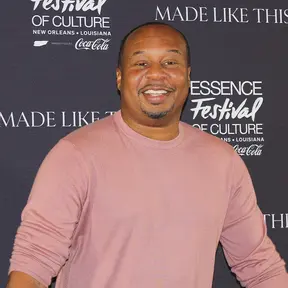
Roy Wood Jr.
He approaches societal collapse with the cadence of an exasperated history teacher.
5 specials · 2017–2025
Get an email when there's a new special. You'll need a Google account.
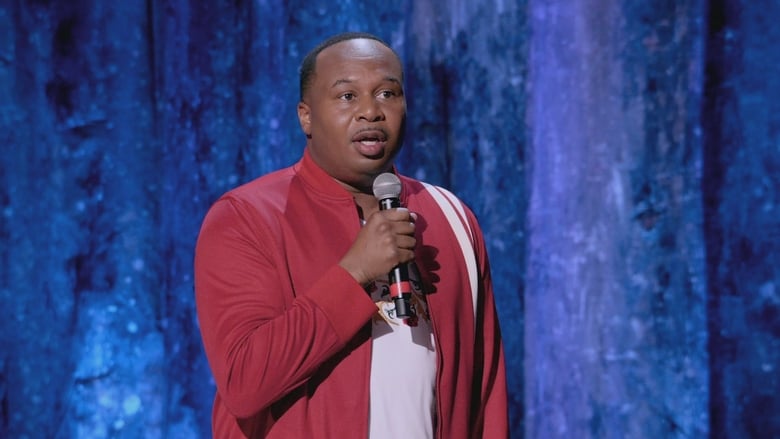
He builds his sets around the heavy sigh. Watch him hold the microphone center stage: he speaks with a deliberate, slow-rolling cadence, dropping his voice an octave when he hits a particularly baffling piece of human behavior. He does not yell. Instead, he lays out his premises methodically, pacing the stage like a man trying to assemble furniture from terrible instructions. When a crowd groans at a dark premise, he pauses, stares them down, and simply repeats the facts until the tension breaks into laughter.
Specials
-
A cynical hour on locked-up drugstores, self-checkout, and relationship-ruining bubble shows.
Hulu · 60 min
-
A skeptical look at the search for comfort in bleak times.
Comedy Central · 64 min
-
A logical, conversational look at patriotism and fast-food hierarchies.
Comedy Central · 61 min
On stage
He operates as a political comic who refuses to hunt for a specific faction’s applause. Following a long run as a late-night television correspondent and a high-profile turn at the White House Correspondents’ Dinner, he stands on stage with total authority. Other comics watch him to see how to build a joke that functions like a closing argument. He serves as a steady anchor in a landscape full of frantic crowd work.
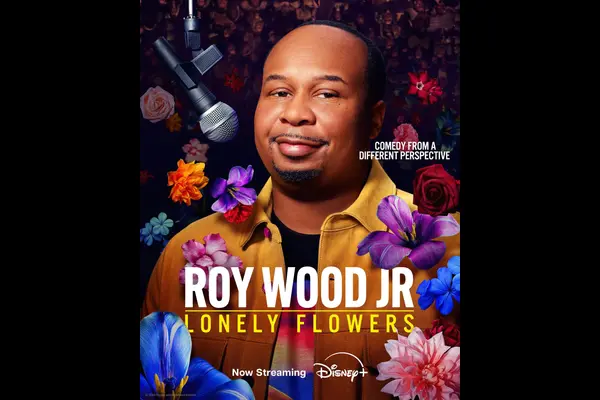
He gets his strongest reactions when he connects massive societal decay to minor daily inconveniences. In Lonely Flowers, he treats the grocery store self-checkout lane as a tragic indicator of human isolation. He prefers breaking down why Americans cannot function together over taking cheap shots at obvious targets. The only catch to this methodical style is that a strictly thesis-driven hour can sometimes feel like sitting through a very funny college seminar rather than a loose performance.
His measured delivery traces back to his early years in Southern morning radio and a degree in broadcast journalism. He uses those tools to lend a deadpan gravity to jokes about fast food. He perfected this dynamic over eight years on The Daily Show, locking in his stage persona as a correspondent completely exhausted by his own beat.
Turning points
-
Correspondent Appointment on The Daily Show
Wood joined The Daily Show under Trevor Noah, which served as his primary national platform and launched his Comedy Central stand-up specials.
-
Headlining the White House Correspondents' Dinner
Wood hosted the 2023 White House Correspondents' Dinner, delivering an acclaimed routine that scored the broadcast its highest ratings since 2017.
-
Departure from The Daily Show Desk
Wood left The Daily Show in October 2023 after eight years as a correspondent following a guest-hosting stint.
-
Anchor of Have I Got News for You
Wood was chosen by CNN to host the American television adaptation of the BBC's classic satirical panel show.
At a glance
Fans also like
-
 Ronny Chieng
Both comedians emerged as standout Daily Show correspondents known for combining sharp journalistic satire with blunt, passionate observational comedy.
-
Hasan Minhaj
Both share a Daily Show background and utilize structured, research-driven social commentary alongside personal storytelling in their standup hours.
Podcasts
-
The Daily Show: Beyond the Scenes · host
An award-winning Comedy Central podcast exploring the reporting and stories behind The Daily Show segments.
-
Roy's Job Fair · host
A podcast formerly hosted by Wood exploring employment, side hustles, and job-related experiences.
Also on screen
- 2011–2014
- Sullivan & Son
- 2015–2023
- The Daily Show
- Only Murders in the Building
- 2021–2022
- Flatbush Misdemeanors
- Confess, Fletch
A clip to start with

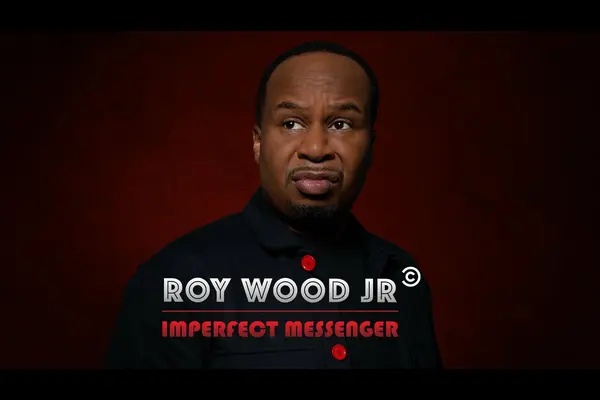
Leonardo DiCaprio Is an Underrated White Ally - Roy Wood Jr.: Imperfect Messenger