Yours Sincerely
Netflix · 2020 · 72 min
A comic reviews his teenage life goals with cynical bemusement.
Kanan Gill reads from a physical letter he wrote to his future self at fifteen, using those teenage benchmarks (like being athletic, finding love, and achieving vague success) as a framing device to dismantle his adult reality. Rather than relying on the frantic energy of his early stand-up, he adopts a quieter, more self-aware performance style.
Filmed shortly before the world shut down and released on Netflix in April 2020, Yours Sincerely was directed by Neville Shah. The special captures Gill at a career turning point, transitioning from the rapid-fire observational comedy of his early YouTube days to a more vulnerable, mid-tempo style. Key sequences mock the baffling rules of Indian school letter-writing templates, the silent airports that cannot stop making announcements about their silence, and the absurdity of phone apps that remind fully grown adults to drink water.
The back half of the set shifts into heavier territory, addressing a hernia diagnosis and a personal struggle with depression, which Gill reframes through a video game analogy about side quests versus main milestones. He even gets laughs out of the mechanics of suicide, joking about it as a return gift to life, and warns the audience to plan their final words better than a muttered arre yaar. The show received mixed-to-positive reviews; some critics felt the hour dragged in places, but most appreciated the earnest, scrapbook feel that arrived at a time when audiences were stuck at home looking for comfort.
The set list
-
Small talk versus Indian big talk
Contrasts casual Western coffee-shop small talk with Indian aunties directly asking for your annual salary within five minutes of meeting.
-
Timepass versus pastime
Deconstructs the Indian concept of 'timepass' serving simultaneously as an activity and an evaluation/verdict, unlike the Western idea of a pastime.
-
Poor jokes (PJs)
Analyzes Indian PJs as proof of the culture's love for suffering, existing purely to frustrate listeners rather than amuse them.
-
Hydration apps and water drinking
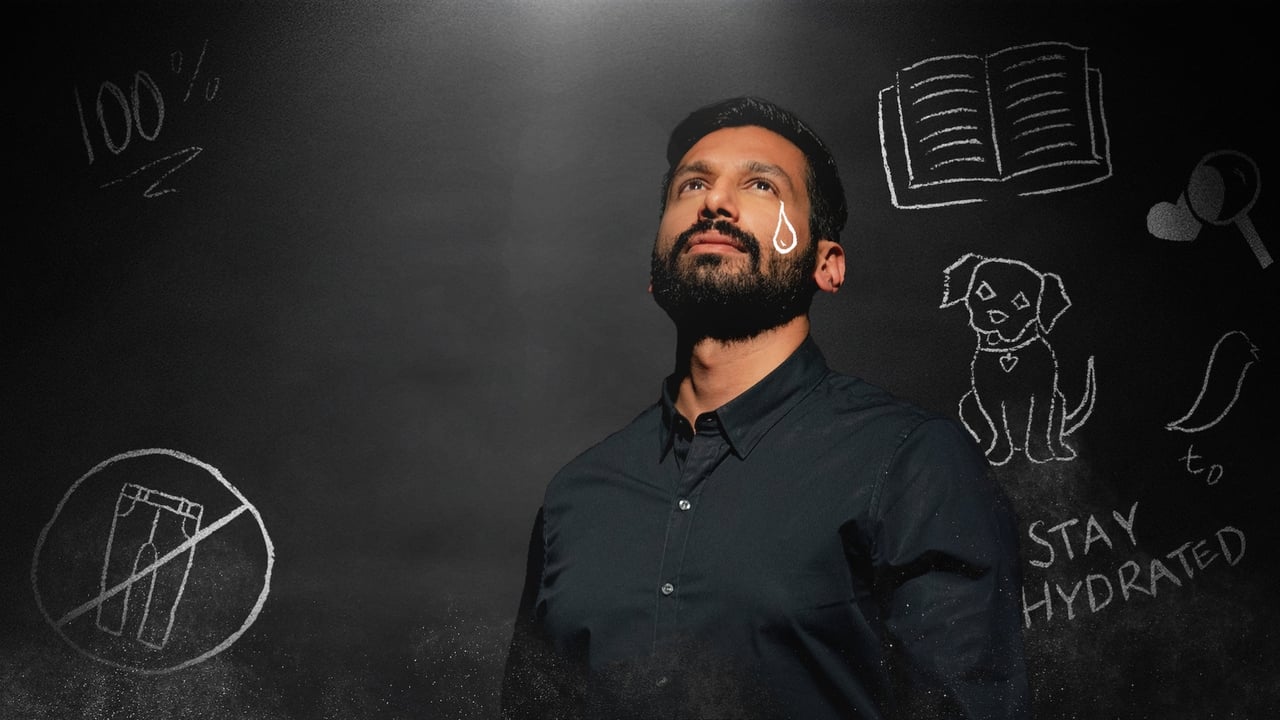
Mocks adults relying on smartphone alarms to drink water, comparing them to Pavlovian dogs and people who are secretly plants.
-
Doctor visit and hernia checkup
Acts out the awkward physical maneuvering required to position his testicles onto the stationary hand of an unyielding doctor diagnosing a hernia.
-
Formal and informal letter writing
Reminisces about strict school grammar lessons dictating which side of the page the date belongs on.
-
Silent airports
Riffs on the absurdity of silent airports that constantly make loud announcements stating that no announcements will be made.
-
Julius Caesar's last words
Reduces Shakespeare's tragedy to 'Et tu, Brute' and spirals into an extensive breakdown of famous dying words.
-
Suicide as a return gift
Reflects on depression and suicidal thoughts by framing suicide as a return gift to life, balanced by serious advice to talk with friends and seek help.
-
Fight Club-style depression reveal and blackboard finale
Brings together a cluster of callbacks, utilizing the stage blackboard with computer science and 'teetar' references alongside a twist regarding his depression.
How it plays
- Tone
- Introspective, nostalgic, self-deprecating, and earnest.
- On stage
- A charming, dry, and slightly befuddled observer who reads passages in a cracked, adolescent caricature voice while acting as a jaded adult narrator, presenting a stiffer, less physical persona than in his prior work.
- Pace
- A measured, slow-burn energy characterized by lower physical movement, deliberate deconstruction, and occasional high-pitched vocal delivery, occasionally dragging over its 72-minute running time.
- About
- Revisiting teenage life goals, Depression, mental health, and suicide, Indian cultural norms versus Western habits, Childhood experiences and schooling, Aging and bodily ailments
What the critics said
Critics offered mixed-to-positive appraisals, praising his charming deconstruction of mundane absurdities and earnest discussion of depression, while critiquing the hour for low physical energy, lack of consistent punchlines, and self-indulgent extended bits compared to Keep It Real.
In the room: Laughter and applause were strong during early observational and physical bits like the hernia checkup and blackboard callback, but thinned out during the darker, more rambling middle sections.
Backstory
Created around discovering a letter written at age 15 listing life goals to his future self, examining the gulf between childhood innocence and adult realities, while candidly addressing personal struggles with mental health and depression during a period of global isolation.
Details
- Released
- Runtime
- 72 min
- Where
- Netflix
- Director
- Neville Shah
- Topics
If you liked this
-
Kyle Kinane Dirt Nap
800 Pound Gorilla
-
Zach Funk Agent of Farce
YouTube