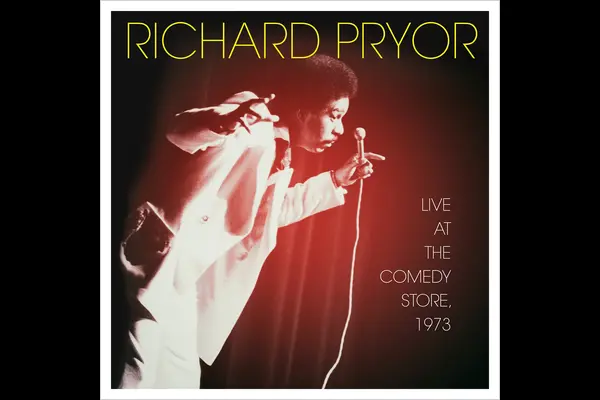
Live At The Comedy Store, 1973
Omnivore Recordings · Album · 2021 · 72 min
A work-in-progress set from the era that defined modern stand-up.
What makes this archival audio compelling is the rare chance to hear a comedian actively building his onstage identity, long before it became celebrated. In October 1973, Richard Pryor took the stage at West Hollywood’s Comedy Store for a four-night run, not to record a commercial release, but to work out new material. The recordings show him transitioning away from the polite, middle-of-the-road persona of his early career toward a more audacious and socially conscious style. Rather than running through a finished hour, Pryor plays with the room, testing out unrefined bits that would later form the spine of his breakthrough album, That Nigger’s Crazy. He works through routines about the street-smart characters he encountered in his life, introducing early versions of his wino and junkie routines. His delivery is unrehearsed and highly interactive, often pausing to address specific people in the crowd or playfully mock the celebrities in attendance. The material ranges from personal drug experiences to sharp commentary on police and the Nixon presidency. These tracks, eventually compiled and released by Omnivore Recordings in 2021, preserve the work-in-progress drafts of pieces that would soon define the next decade of American stand-up.
The set list
-
Street Corner Wino / Wino & Junkie
Pryor inhabits street characters, exploring substance addiction and urban life with personal empathy and sharp character work.
-
Fighting
Explores street confrontations and machismo, a routine that later evolved into 'The Back Down'.
-
Nixon and Politics
Satirizes political corruption and the contemporary presidency during the Nixon era.
-
Cops and The Line-Up
Critiques police targeting, racial prejudice, and the criminal justice system.
-
Black Movie Stars and Black Films
Offers commentary on Black representation and celebrity in Hollywood cinema.
How it plays
- Tone
- Provocative, outrageous, politically revolutionary, and deeply personal.
- On stage
- An authentic, boundary-pushing solo storyteller acting as his own theater troupe, inhabiting distinct characters with empathy and satire while confronting uncomfortable realities.
- Pace
- Features impeccable comedic timing across untested material, displaying an improvisational and nervy rhythm.
- About
- race, sex, drugs and addiction, religion, politics, police encounters
What the critics said
Praised by modern critics as a crucial historical document showcasing Pryor at the peak of his developing powers with timeless, keenly observed, and fearless humor, though some commentary noted the 1970s material around sex, race, and religion can sound dated to modern ears.
In the room: The room dynamic included loud guffaws interspersed with occasional groans as Pryor challenged taboos; the shows drew heavy attendance from fellow comedians.
Backstory
Taped during a four-night run starting October 29, 1973, at the relatively new Comedy Store on Sunset Boulevard. Pryor booked the stand to woodshed and test unrefined new material in preparation for upcoming gigs at Washington, D.C.'s Kennedy Center and San Francisco's Soul Train Club; the recordings were never originally intended for commercial release.
Details
- Released
- Taped
- 1973, The Comedy Store, West Hollywood
- Runtime
- 72 min
- Where
- Omnivore Recordings (album)
- Topics
If you liked this
-
Jordan Jensen Take Me With You
Netflix
-
Daniel Humbarger Funny Bones
Stand Up! Records · Album
-
Amy Schumer Mostly Sex Stuff
Comedy Central