Bring the Pain
HBO · 1996 · 58 min
An aggressive hour of comedy that salvaged a sinking career.
Chris Rock was fighting for his professional life when he recorded this hour. After a quiet exit from television and a few movie roles that went nowhere, he retreated to comedy clubs for two years to build an act that would force audiences to pay attention. He stripped away the eager energy of his earlier work and replaced it with a highly structured approach to social issues. He stalks the stage, repeating his premises to hammer them into the room, daring the crowd to disagree.
Filmed at the Takoma Theatre in Washington, D.C., the 58-minute set arrived in 1996 and immediately resurrected his career. The material is heavily anchored in the cultural touchstones of the era. He takes aim at Marion Barry and the O.J. Simpson trial. He frames the news through a cynical worldview, pitching bullet control over gun control by arguing that ammunition should be prohibitively expensive. The hour is best remembered for a divisive closing routine where he argues there is a civil war occurring within the Black community. The industry responded by giving the performance two Emmys and a Grammy.
The set list
-
Niggas vs. Black People
A controversial 12-minute routine exploring an internal civil war within the Black community between responsible people and those who ruin things and brag about doing basic obligations.
-
O.J. Simpson murder trial verdict
Examining the stark racial divide in public reaction to the verdict, noting white people had not been that angry since the cancellation of M*A*S*H, and expressing understanding of relationship rage.
-
Mayor Marion Barry re-election and the Million Man March
Mocking how Barry was caught smoking crack on video and still got his job back, marveling that even at the community's finest hour there was a crackhead on stage.
-
Colin Powell running for President
Addressing racism in American politics by remarking Powell had a better chance of winning bronze in female gymnastics than being elected president.
-
Crack cocaine destroying the ghetto
Questioning the narrative around the drug epidemic by dryly noting people talk as if the ghetto was wonderful before crack arrived.
How it plays
- Tone
- Edgy, satirical, muscular, biting, and provocative.
- On stage
- Raw, ferocious, in-your-face, fearless, and uncompromising; compared by critics to Richard Pryor and Lenny Bruce.
- Pace
- Muscular, high-intensity delivery characterized by aggressive back-and-forth stage pacing described as a 'pacing panther mode' that attacked every joke.
- About
- Race relations in America, Black divisiveness and internal community conflicts, Politics, Dating, commitment, and relationships, Drugs and the crack epidemic
What the critics said
Universally acclaimed as a groundbreaking classic and one of the finest hours of comedy ever broadcast, lauded for its dead-on social satire and uncompromising honesty.
In the room: An electrified, predominantly urban Black Washington D.C. crowd reacting with roaring laughter, wild energy, and occasional vocal squirming and pushback.
Backstory
Taped in Washington, D.C. in the wake of the 1995 O.J. Simpson acquittal, the Million Man March, and during the re-election of D.C. Mayor Marion Barry amidst the rise of 1990s gangsta rap and black culture debates.
Details
- Released
- Taped
- Takoma Theatre, Washington
- Runtime
- 58 min
- Where
- HBO
- Director
- Keith Truesdell
- Honors
- Primetime Emmy Award for Outstanding Variety, Music or Comedy Special (1997)Primetime Emmy Award for Outstanding Writing for a Variety or Music Program (1997)
- Topics
- Before
- HBO Comedy Half-Hour: Chris Rock - Big Ass Jokes (1994)
- After
- Roll with the New (1997)
More from Chris Rock
-
Selective Outrage
Netflix
-
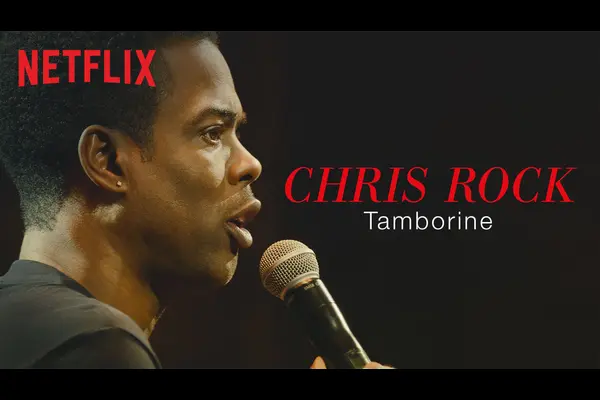
Tamborine
Netflix
-
Never Scared
HBO
If you liked this
-
Carlos Mencia Comedy Central Presents
Comedy Central
-
Seaton Smith Smart and Ignorant
YouTube
-
Seaton Smith Bologna Meat
Comedy Dynamics