The Wednesday letter , , 3 min read
Kelsey Cook Sold Netflix a Finished Asset
Waiting for a green light means waiting forever. Comedians are shooting their own specials and treating platforms like acquisition markets.
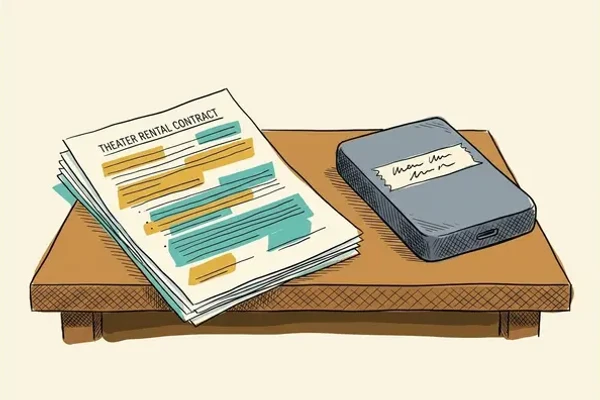
The Netflix Acquisition Strategy
Kelsey Cook released Happy Hour on Netflix this Tuesday. She did not develop the hour with a streaming executive. She rented the Fitzgerald Theater in the Twin Cities, paid for the cameras herself, and shot the thing on speculation.
This is the new playbook.
Comedians have realized that asking a platform for permission to film a special is a bad business model. Waiting for a green light means waiting forever. Shooting it independently means owning the master. A finished product can be shopped to Netflix, Hulu, or Amazon. If the networks pass, it goes to YouTube to collect ad revenue. A comic is no longer an employee pitching an idea. They are a production company selling an asset.
Cook sold the finished hour to Netflix.
The special itself is tightly paced. She covers hangover anxiety and the logistics of dating a man literally named Chad. But the standout segment tackles her mother’s dementia. Standup about cognitive decline is historically a trap. It usually devolves into cheap tragedy or unearned sentimentality. Cook navigates it by focusing on the absurdity of the disease. She makes it funny without stripping away the dignity of the subject.
Financing an independent hour is a financial risk. Hinging that hour on medical tragedy is a creative one.
She won both bets.
Lying to the Audience in Edinburgh
The Edinburgh Festival Fringe is in its final stretch. The dominant currency of the festival this year is deception.
Bella Hull is performing Mad Cow Disease at the Monkey Barrel. She is a writer for the UK version of Saturday Night Live. She is a former member of the Cambridge Footlights. She is firmly entrenched in the comedy establishment.
None of this is apparent during her opening routine.
Hull spends the first act of her show constructing a meticulously detailed persona of a perpetual underdog. She presents herself as an outsider desperately trying to break into the cool comedy crowd. She leans heavily into crowd work. She acts slightly naive. The audience buys the narrative completely.
Then she pulls the rug out.
The entire opening is a structural trap. Hull uses her pleasant demeanor to systematically weaponize the audience’s assumptions about young women in comedy. It is a masterclass in unreliable narration. Standup is traditionally built on authenticity. The audience expects the person on stage to be telling the truth about who they are. Hull realizes that lying is much more interesting.
The acidic reveal works because the audience is complicit in underestimating her.
Rory Scovel Needs a Billboard
Rory Scovel also dropped a new hour on Netflix this week.
Show Must Go On arrived with remarkably little fanfare from the platform. Scovel is one of the most inventive improvisational minds in modern standup. His previous specials feel like watching a man attempt to dismantle the concept of a joke while he is currently telling one. He builds tension by acting like he has no idea what he is going to say next.
He deserves a billboard on Sunset Boulevard.
Instead, the algorithm quietly slotted him between a reality dating show and an imported drama. Streaming services have a habit of hiding their best comedy behind terrible interface design. If an account is not actively searching for Scovel, Netflix is not going to offer him up.
Finding the special requires typing his name into the search bar.
The manual labor is justified.